Evaluating potential mycotoxin exposure inside your home
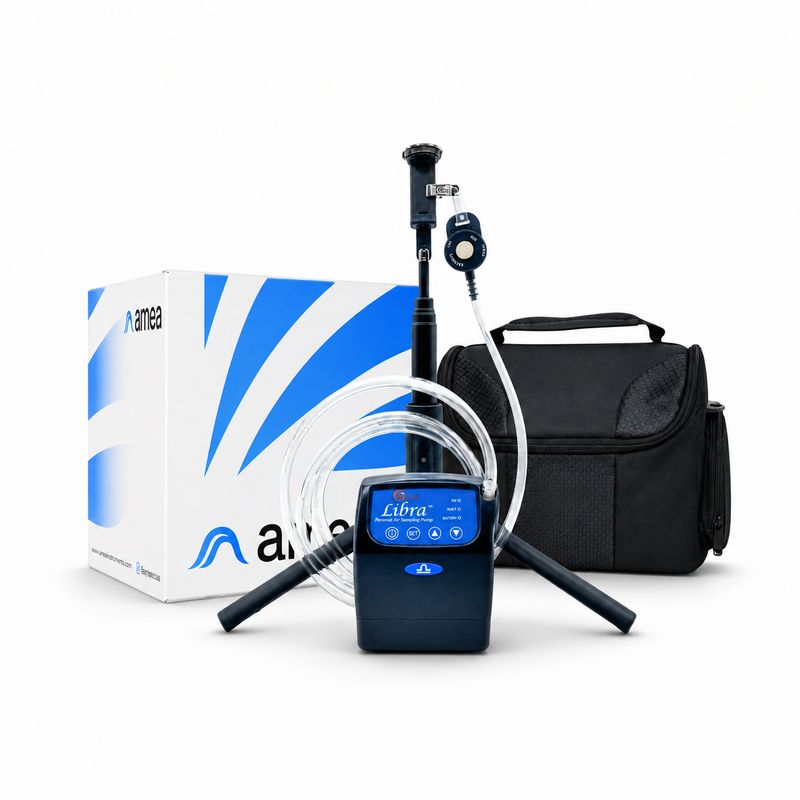
Mycotoxins can enter the body through contaminated food, inhalation, or skin contact. When evaluating potential mycotoxin exposure inside a home, consider what may be present in the air you breathe. AMEA measures selected mycotoxins collected from room air to help identify potential inhalation exposure at the sampled location and time.
Environmental air sampling does not measure an individual’s absorbed dose, establish a medical diagnosis, or show that inhalation accounts for most of a person’s total mycotoxin exposure.
Choose the sample type that matches your question
AMEA air sampleWere selected mycotoxins detected in collected room air, helping evaluate potential inhalation exposure during sampling?
Dust mycotoxin panel, including EMMA where applicableWhich tested mycotoxins were detected in the collected dust or material?
MESA surface sampleWere selected mycotoxins detected on the particular surface or material sampled?
ERMI / HERTSMI-2Which specified mold DNA targets were measured in dust? These tests do not measure mycotoxins.
More mycotoxin targets does not mean the test measures potential inhalation exposure. A dust panel measures the collected dust; it does not directly measure what is suspended in room air or what a person inhales. Choose the sample type that matches your question, then compare the targets included.
Dust can provide useful information about a reservoir of contamination, including material that might become airborne. A positive dust result alone does not establish current inhalation exposure. Air, dust, surface, and building investigations can answer complementary questions; AMEA is not a universal replacement for any of them. Product availability is governed separately, and this comparison does not enable a held offering.